సీవీ రామన్
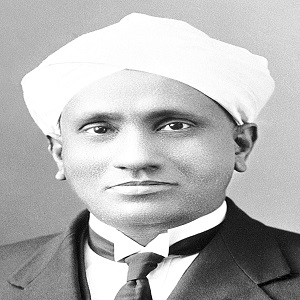
ఈయన భారతదేశానికి చెందిన ప్రముఖ భౌతిక శాస్త్రవేత్త. కాంతి వికిరణంపై ప్రయోగాలు చేసి, ‘రామన్ ఎఫెక్ట్’ను కనుక్కున్నారు
ఈయన భారతదేశానికి చెందిన ప్రముఖ భౌతిక శాస్త్రవేత్త. కాంతి వికిరణంపై ప్రయోగాలు చేసి, ‘రామన్ ఎఫెక్ట్’ను కనుక్కున్నారు. కాంతి ఒక పారదర్శక మాధ్యమం మీదుగా ప్రయాణిస్తున్నప్పుడు దాని తరంగదైర్ఘ్యం, పౌనఃపున్యం మారతాయని కనుక్కున్నారు. ఈ ఆవిష్కరణకు గానూ ఆయనకు భౌతికశాస్త్రంలో నోబెల్ లభించింది. తద్వారా ఫిజిక్స్లో నోబెల్ అందుకున్న తొలి ఆసియా, శ్వేతజాతేతర వ్యక్తిగా ప్రసిద్ధి చెందారు. ఈయన భౌతిక విజ్ఞానశాస్త్రంలో కాంతి, ధ్వని విభాగాల్లో అనేక విజయవంతమైన ఆవిష్కరణలు చేశారు. నవంబరు 7న సీవీ రామన్ జయంతి సందర్భంగా పోటీ పరీక్షల కోణంలో ఆయన జీవితంలోని ముఖ్య విషయాలు తెలుసుకుందాం..!
- ఈయన 1888 నవంబరు 7న నాటి మద్రాసు రాష్ట్రం తిరుచిరాపల్లిలో జన్మించారు. పూర్తి పేరు చంద్రశేఖర వెంకట రామన్. 1919లో రామన్ ఐఏసీఎస్ ప్రొఫెసర్, కార్యదర్శి అయ్యారు. 1928, ఫిబ్రవరి 28న ‘రామన్ ఎఫెక్ట్’ను కనుక్కున్నారు. ఈ పరిశోధన భౌతికశాస్త్రంలో ఎంతో ప్రాధాన్యం సంతరించుకుంది. రామన్ సాధించిన ఈ విజయానికి గుర్తుగా మన దేశంలో ఏటా ఫిబ్రవరి 28న ‘జాతీయ సైన్స్ దినోత్సవం’గా నిర్వహిస్తారు.
- రామన్ 1926లో ఇండియన్ జర్నల్ ఆఫ్ ఫిజిక్స్ను స్థాపించారు. దానికి మొదటి సంపాదకుడిగా వ్యవహరించారు. 1932లో సూరి భగవంతంతో కలిసి ఫోటాన్ల స్పిన్ను నిర్ణయించారు. ఇది కాంతి క్వాంటం స్వభావాన్ని మరింత ధృవీకరించింది. 1933, ఏప్రిల్లో రామన్ ఇండియన్ ఇన్స్టిట్యూట్ ఆఫ్ సైన్స్ (ఐఐఎస్సీ) మొదటి భారతీయ డైరెక్టర్గా నియమితులయ్యారు.
- రామన్ 1934లో ఇండియన్ అకాడమీ ఆఫ్ సైన్సెస్ను ఏర్పాటు చేశారు. 1936లో తన విద్యార్థి నాగేంద్ర నాథ్తో కలిసి రామన్-నాథ్ సిద్ధాంతాన్ని ప్రకటించారు.1943లో తన పూర్వ విద్యార్థి కృష్ణమూర్తితో కలిసి ట్రావెన్కోర్ కెమికల్ అండ్ మాన్యుఫాక్చరింగ్ కంపెనీ లిమిటెడ్ అనే సంస్థను నెలకొల్పారు. 1944-68 వరకు వజ్రాల నిర్మాణం, లక్షణాలను అధ్యయనం చేశారు.
- 1948లో ఆయన ఐఐఎస్సీ నుంచి పదవీ విరమణ చేసి, బెంగళూరులో రామన్ రిసెర్చ్ ఇన్స్టిట్యూట్ (ఆర్ఆర్ఐ)ను ఏర్పాటు చేశారు. మరణించేవరకు ఆయన ఆర్ఆర్ఐ డైరెక్టర్, రిసెర్చర్గా పనిచేశారు. 1948లో స్పటికాల స్పెక్ట్రోస్కోపిక్ ప్రవర్తనలను అధ్యయనం చేయడం ద్వారా క్రిస్టల్ డైనమిక్స్ ప్రాథమిక సమస్యలకు పరిష్కార విధానాలను సూచించారు. 1950లలో ఆప్టికల్స్పై పరిశోధనలు చేశారు.
- విజ్ఞానశాస్త్ర అభివృద్ధికి రామన్ ఎంతగానో కృషి చేశారు. కాంతి, ధ్వని రంగాల్లో ఈయన చేసిన ప్రయోగాలు ఎంతోమందికి ఆదర్శంగా నిలిచాయి. భారతదేశంలో శాస్త్రీయ పరిశోధనలను ప్రోత్సహించడంలో రామన్ ముఖ్యభూమిక పోషించారు. ఇండియన్ అకాడమీ ఆఫ్ సైన్సెస్, రామన్ రిసెర్చ్ సెంటర్లు స్థాపించి భావితరాల శాస్త్రవేత్తలకు మార్గదర్శకత్వం వహించారు. ఈయన 1970, నవంబరు 21న బెంగళూరులో మరణించారు.
|
రామన్ ఎఫెక్ట్, సీవీ రామన్ పొందిన అవార్డులు - గౌరవాలతోపాటు గతంలో టీఎస్పీఎస్సీ గ్రూప్-1 ప్రిలిమినరీ, తెలంగాణ పోలీస్ ఎస్ఐ మెయిన్స్, ఎస్ఎస్సీ, ఆర్ఆర్బీ గ్రూప్-డి, ఎన్టీపీసీ, యూపీఎస్సీ తదితర పోటీపరీక్షల్లో ఈ అంశంపై అడిగిన 75కి పైగా ప్రశ్నలు - జవాబులతో రూపొందించిన ఈబుక్ కోసం ‘ఈనాడు ఈప్రతిభ జనరల్ నాలెడ్జ్ ఖీ కరెంట్ అఫైర్స్ కాంబో కోర్సు’కి సబ్స్క్రైబ్ చేసుకోండి! వివరాల కోసం లింక్ పై క్లిక్ చేయండి. https://hov.to/69b00978 |
గత పరీక్షల్లో అడిగిన ప్రశ్నలు
1. రామన్ రిసెర్చ్ ఇన్స్టిట్యూట్ ఎక్కడ ఉంది?
(కర్ణాటక పోలీస్ కానిస్టేబుల్, 2021)
1) చెన్నై 2) బెంగళూరు 3) మైసూరు 4) ముంబయి
సమాధానం: 2
2. కిందివారిలో ఏ భారతీయ శాస్త్రవేత్త నోబెల్ బహుమతితోపాటు భారతరత్న పురస్కారాన్ని కూడా పొందారు?
(యూపీఎస్సీ ప్రిలిమ్స్, 2016)
1) విక్రమ్ సారాభాయ్ 2) జె.సి.బోస్
3) సి.వి.రామన్ 4) హోమీ జహంగీర్ భాభా
సమాధానం: 3
3. సర్ సి.వి.రామన్ కింది దేనికి ప్రసిద్ధి?
(ఎస్ఎస్సీ ఎంటీఎస్, 2017)
1) రామన్ రేఖాచిత్రం 2) గురుత్వాకర్షణ సూత్రాలు
3) వక్రీభవన సూత్రం 4) రామన్ ఎఫెక్ట్
సమాధానం: 4
4. కింది ఏ రంగంలో చేసిన కృషికి సి.వి.రామన్కు భౌతికశాస్త్రంలో నోబెల్ బహుమతి లభించింది?
(ఐబీ ఏసీఐఓ గ్రేడ్ 2, 2015)
1) బ్రౌనియన్ చలనం 2) కాంతి పరిక్షేపణం
3) స్ట్రింగ్ థియరీ 4) కేంద్రక భౌతికశాస్త్రం
సమాధానం: 2
5. Indian physicist CV Raman was the first Indian to win the Nobel Prize in Physics in the year 1930 for his discovery of the Raman Effect, which is the scattering of light in different substances.
Which of the following is NOT in line with the given statement?
(SSC CGL Tier 1, 2023)
I: Physicist CV Raman was the first-ever Indian to win a Nobel Prize.
II: In the year 1930, CV Raman discovered the Raman Effect.
1) Only I 2) Only II 3) Either I or II 4) Both I and II
Ans: 4
6. Consider the following statements related to India’s National Science Day:
i. It is celebrated every year on February 28th.
ii. It commemorates the day of the announcement of the discovery of the Raman Effect.
iii. The official theme for the year 2024 was ‘‘Global Science for Global Wellbeing’’.
iv. The official theme for the year 2024 was ‘‘Indigenous Technologies for Viksit Bharat’’.
Which of the above statements are correct?
(TSPSC Group 1 (Prelims), 2024)
1) ii, iii and iv only 2) i, ii and iv only
3) i and iii only 4) i, iii and iv only
Ans: 2
7. Read the following statements:
(i) The Raman effect deals with the scattering of light by the molecules of a medium when they are excited to vibrational energy levels.
(ii) A conservation law is a hypothesis and cannot be proved but it can be verified by experiments.
(iii) Sir Issac Newton showed that the same laws of motion and gravitation cannot be applied to celestial and terrestrial domains
(Telangana Police Constable Preliminary, 2015)
1) (i) is correct but (ii) and (iii) are wrong
2) (i) is wrong but (ii) and (iii) are correct
3) (i) and (ii) are correct but (iii) is wrong
4) (i) and (iii) are correct but (ii) is wrong
Ans: 3
8. A scientist wants to demonstrate why the sky appears blue during the day and reddish at sunset using a glass tank of water, a flashlight, and a small amount of milk. Which setup best demonstrates light scattering similar to that observed in the atmosphere?
(RRB Group D, 2026)
1) Shining the flashlight through clear water and observing the transmitted light from the opposite side.
2) Shining the flashlight from above onto clear water and observing the illuminated region.
3) Mixing a small amount of milk into the water and shining the flashlight through the tank from the side to observe scattered light.
4) Adding a large amount of milk to the water and shining the flashlight through the mixture from above.
Ans: 3
ఆల్బర్ట్ ఐన్స్టీన్
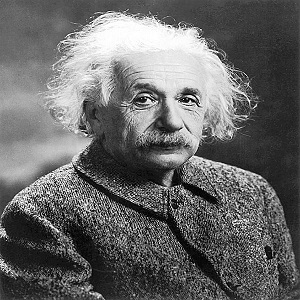
ఆల్బర్ట్ ఐన్స్టీన్ భౌతికశాస్త్రంలో అనేక ప్రయోగాలు చేసిన శాస్త్రవేత్తగా, ఎన్నో ఆవిష్కరణలు చేసిన వ్యక్తిగా, నోబెల్ అవార్డు విజేతగా మనకు సుపరిచితం
మరిన్ని వివరాల కోసం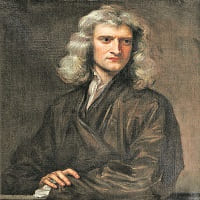
ఐజాక్ న్యూటన్
న్యూటన్ గొప్ప గణిత, భౌతిక, ఖగోళ శాస్త్రవేత్త. ప్రపంచంలోని అత్యంత ప్రభావవంతమైన పరిశోధకుల్లో ఒకరు.
మరిన్ని వివరాల కోసం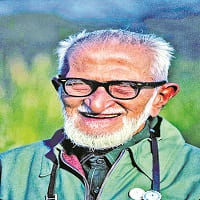
సలీం అలీ
ఈయన భారతదేశానికి చెందిన ప్రముఖ పక్షి శాస్త్రవేత్త (ఆర్నిథాలజిస్ట్). సలీంను ‘బర్డ్ మ్యాన్ ఆఫ్ ఇండియా’గా పిలుస్తారు.
మరిన్ని వివరాల కోసం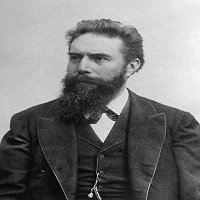
విల్హెల్మ్ రాంట్జెన్
ఈయన జర్మనీకి చెందిన ప్రముఖ భౌతిక శాస్త్రవేత్త. వైద్యరంగంలో రేడియోగ్రఫీ, రేడియోథెరపీకి ఉపయోగించే ఎక్స్-కిరణాలను కనుక్కున్నారు
మరిన్ని వివరాల కోసం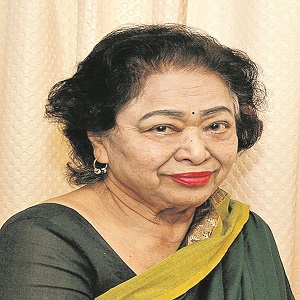
శకుంతలా దేవి
ఈమె ప్రముఖ గణిత, ఖగోళ, జ్యోతిష శాస్త్రవేత్త. క్లిష్టమైన గణిత గణనలకు అతివేగంగా సమాధానాలు చెప్పడంలో దిట్ట
మరిన్ని వివరాల కోసం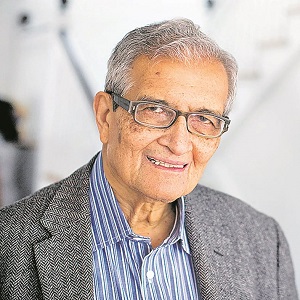
అమర్త్య సేన్
ఈయన ప్రముఖ ఆర్థికవేత్త, తత్వవేత్త, మేధావి. పేదరికం, సంక్షేమం, సామాజిక న్యాయం, మానవ అభివృద్ధిపై అనేక పరిశోధనలు చేసి ఆర్థిక శాస్త్రవేత్తగా పేరొందారు
మరిన్ని వివరాల కోసం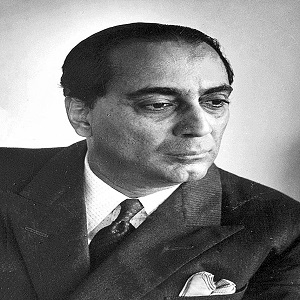
హోమి జహంగీర్ భాభా
హోమి జహంగీర్ భాభా ప్రఖ్యాత అణుభౌతిక శాస్త్రవేత్త. భారత్ను శాస్త్ర సాంకేతిక రంగంలో తిరుగులేని శక్తిగా నిలిపేందుకు ఈయన చేసిన కృషి ఎనలేనిది
మరిన్ని వివరాల కోసం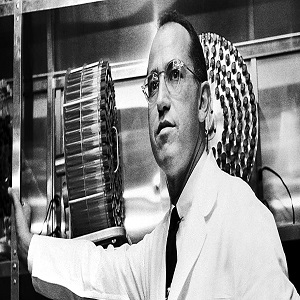
జోనస్ సాల్క్
ఈయన అమెరికాకు చెందిన ప్రముఖ వైరాలజిస్ట్, వైద్య పరిశోధకులు. సూక్ష్మజీవులపై అనేక పరిశోధనలు చేసి, వాటి వల్ల కలిగే వ్యాధులపై అధ్యయనం చేశారు
మరిన్ని వివరాల కోసం
మేరీ క్యూరీ
మేరీ క్యూరీ సుప్రసిద్ధ భౌతిక, రసాయన శాస్త్రవేత్త. ఈమెను మేడం క్యూరీ అని కూడా పిలుస్తారు.
మరిన్ని వివరాల కోసం
హర్ గోబింద్ ఖొరానా
ఈయన భారత సంతతికి చెందిన అమెరికా కణజీవ శాస్త్రవేత్త. జన్యు పదార్థాల రసాయన సంశ్లేషణపై అనేక ప్రయోగాలు చేశారు
మరిన్ని వివరాల కోసంGK Hub
Daily Roundup








-
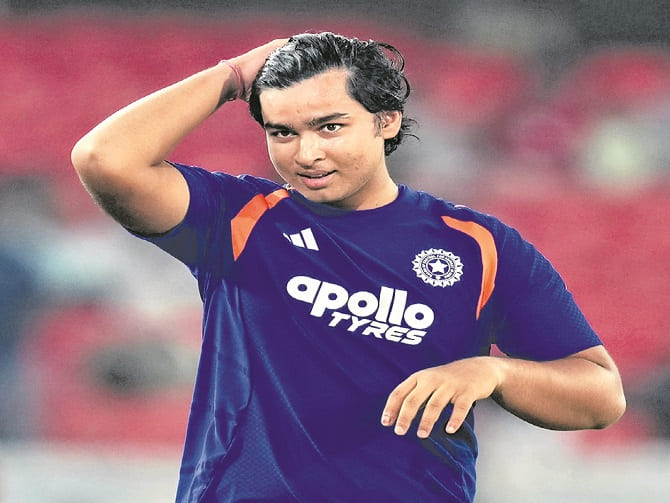 ‘టైమ్ 100 నెక్స్ట్ ఇండియా’ జాబితా
-
 కాంటార్ నివేదిక
-
 యూఎన్ఎఫ్పీఏ నివేదిక
-
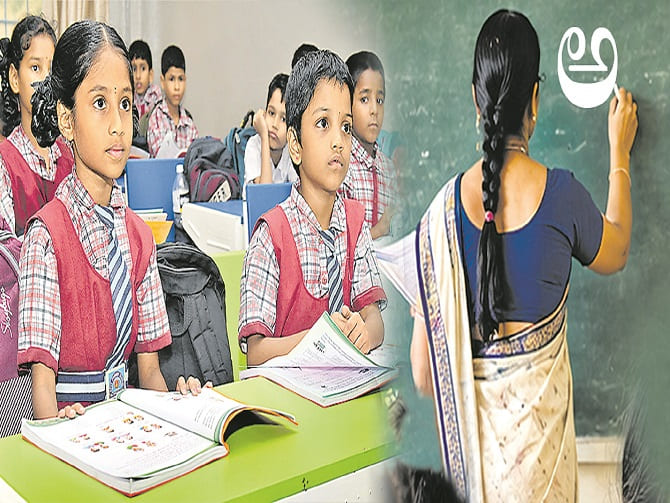 యునెస్కో విద్యా నివేదిక-2025
-
 ఫ్యూ రిసెర్చ్ సెంటర్ అంచనా
-
 పీఆర్ఎస్ నివేదిక
-
 ‘ఇంపాక్ట్ అసెస్మెంట్ ఆఫ్ పీఎల్ఐ స్కీమ్స్’
-
 ప్రపంచ ఆరోగ్య సంస్థ టీబీ నివేదిక-2026
-
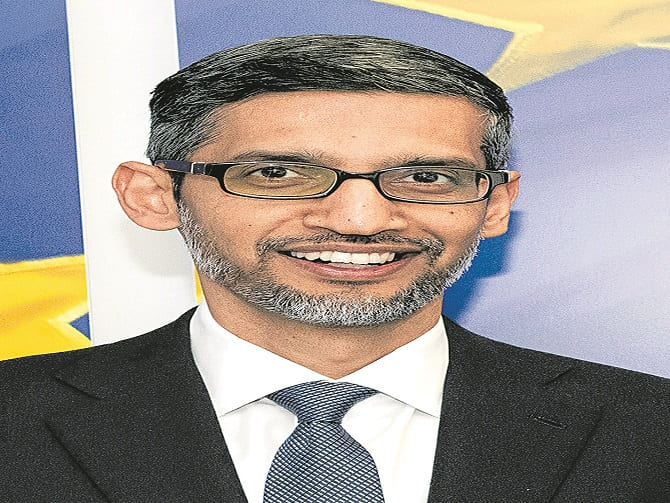 హెచ్ఎస్బీసీ హురున్ గ్లోబల్ ఇండియన్స్ లిస్ట్-2026
-
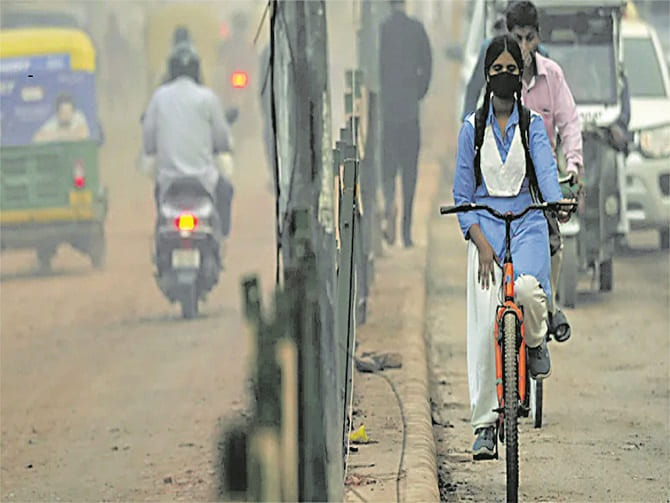 అత్యంత కాలుష్య ప్రాంతం లోనీ
-
 నేషనల్ క్యాడెట్ కార్ప్స్ దినోత్సవం
-
 అంతర్జాతీయ బాలల హక్కుల దినోత్సవం
-
 జాతీయ సమైక్యతా దినోత్సవం
-
 జాతీయ పత్రికా దినోత్సవం
-
 బాలల దినోత్సవం
-
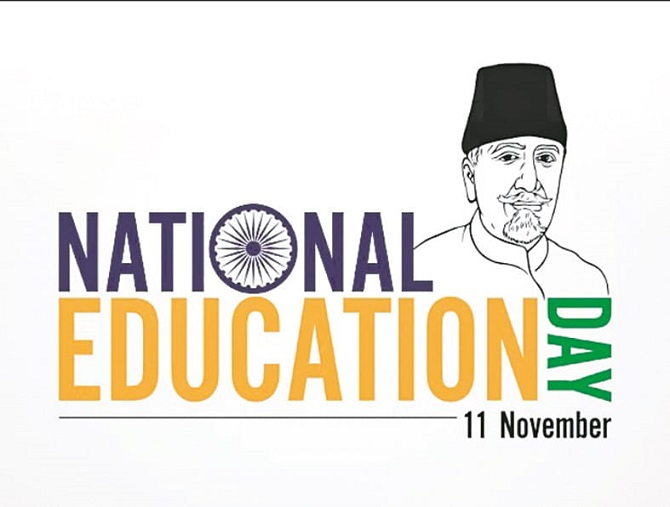 జాతీయ విద్యా దినోత్సవం
-
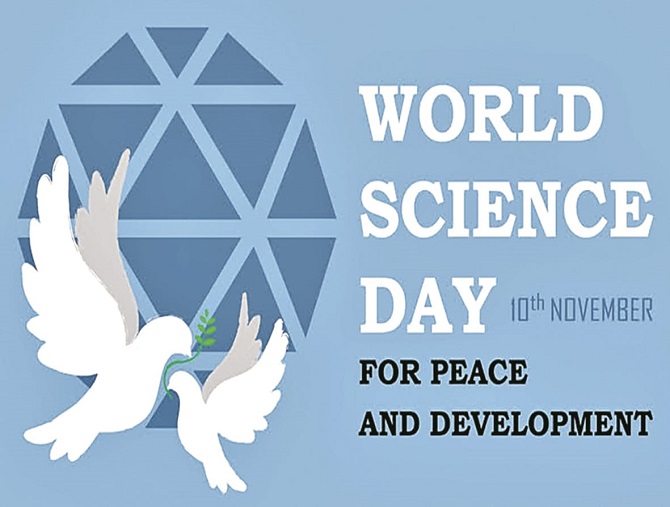 శాంతి - అభివృద్ధి కోసం ప్రపంచ సైన్స్ దినోత్సవం
-
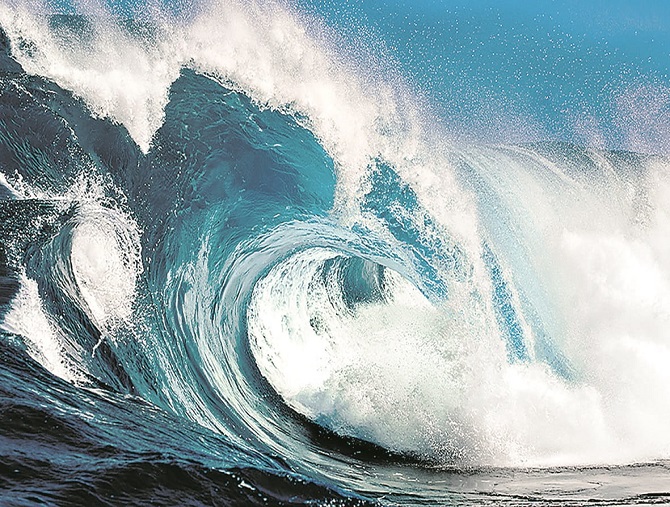 ప్రపంచ సునామీ అవగాహన దినోత్సవం
-
 అంతర్జాతీయ బయోస్పియర్ రిజర్వ్ల దినోత్సవం
-
 ప్రపంచ నగరాల దినోత్సవం